Lab Testing Methods for Olive Oil Polyphenols: How Measurement Works (2026)
A plain-language guide to the three main ways olive oil polyphenols are measured, why the numbers differ, and how to read a credible test report.
A number on a label looks solid. "Polyphenols: 500 mg/kg." But that figure sits on top of a chain of choices: which lab ran the test, which method they used, which reference compound they measured against, and which definition of "polyphenol" they had in mind. Change any one of those and the number moves, sometimes a lot. That is why two honest reports for the same oil can land on different figures.
This guide covers the three ways olive oil polyphenols get measured, what each one actually counts, and why you cannot swap one result for another. It also shows you how to read a test report and tell a verifiable figure from a marketing one. It pairs with our explainer on what polyphenols are in olive oil and our methodology, which sets out how we record and present these numbers.
What "polyphenols" means in a lab context
In olive oil, "polyphenols" is a loose umbrella for a whole family of phenolic compounds. The ones people talk about most are hydroxytyrosol and tyrosol, their secoiridoid derivatives such as oleuropein and ligstroside aglycones, and oleocanthal and oleacein. Our companion pieces on oleocanthal and oleacein and hydroxytyrosol go into what each of these compounds is.
"Total polyphenols" is not a single thing you can weigh out on a scale. It is whatever a given method is built to react with or separate. So before you compare two numbers, you need to know which method produced them.
Method 1: Folin-Ciocalteu (total phenols)
The Folin-Ciocalteu assay is the oldest and most common way to report a single "total phenols" figure. You take a phenolic extract from the oil and mix it with the Folin-Ciocalteu reagent. The reagent changes colour in proportion to how much phenolic material is present. A spectrophotometer reads that colour, then the result is compared against a calibration curve built from a reference compound, almost always gallic acid.
That is why Folin-Ciocalteu results come back as gallic acid equivalents (GAE), usually in mg/kg or mg GAE per kg of oil. The number does not mean the oil contains that much gallic acid. It means the sample produced the same colour response as that much gallic acid would.
Strengths and limits
Folin-Ciocalteu is fast, cheap and available almost everywhere, which is why so many bulk and commodity reports lean on it. The weakness is selectivity. The reagent also reacts with some non-phenolic reducing substances, so the assay can over-count and tends to read higher than methods that pin down specific compounds. It gives you no breakdown either. You get the total, but not how much of it is hydroxytyrosol, or oleocanthal, or anything else.
So a Folin-Ciocalteu figure is best treated as a screening indicator. It is handy for ranking a lot of samples quickly, less so as a precise statement of any one compound's content.
Method 2: HPLC (the regulated reference)
High-performance liquid chromatography (HPLC) works differently. Instead of one colour-based total, it separates the phenolic extract into its individual compounds as they pass through a column, then detects each one, commonly with a diode-array detector (HPLC-DAD). Every compound shows up as its own peak, and the area under that peak is converted into a concentration using reference standards.
This is the method behind the regulated figure. The International Olive Council's reference procedure for phenolic content is COI/T.20/Doc. No 29, "Determination of Phenolic Compounds", an HPLC method. It is the analytical basis for quantifying hydroxytyrosol and its derivatives in a consistent, reproducible way.
Why HPLC matters for the EU health claim
The EU authorises one health claim about olive oil polyphenols. Under Commission Regulation (EU) No 432/2012, the permitted wording is that olive oil polyphenols contribute to the protection of blood lipids from oxidative stress. The claim may be used only on oils that contain at least 5 mg of hydroxytyrosol and its derivatives per 20 g of oil, which works out to roughly 250 mg/kg, and the label must tell the consumer that the beneficial effect is obtained with a daily intake of 20 g of olive oil.
Note what that threshold is written in terms of: specific compounds, hydroxytyrosol and its derivatives, not a Folin-Ciocalteu total. So working out whether an oil qualifies needs a method that can isolate and quantify those compounds, and HPLC does exactly that. EFSA assessed the scientific basis for the claim, and the regulation linked above is the legal instrument that authorises it. Most oils sit below that 250 mg/kg line: lab surveys have found around 90% of Italian retail extra virgin oils (Caporaso et al., 2015) and 96% across seven countries (Pedan et al., 2019) falling short of it. For more on what the claim does and does not say, see our guide to the health benefits of high-polyphenol extra virgin olive oil and the health evidence overview.
Strengths and limits
HPLC's strength is specificity. It identifies and quantifies named compounds, which is what the regulation asks for. The costs are time, money and a dependence on standards. Some secoiridoid compounds have no commercial reference standard, so labs quantify them against a surrogate such as tyrosol, and different labs may make slightly different calls. Sample preparation shifts the result too. Put together, that is why two HPLC reports can differ even when both are done properly.
Method 3: Quantitative NMR (qNMR)
Quantitative nuclear magnetic resonance (qNMR) is the newest of the three to reach wide use in olive oil. Rather than separating compounds on a column, NMR reads the magnetic signatures of atomic nuclei in the sample. Each compound gives off characteristic signals, so the technique can identify and quantify individual phenolics, including oleocanthal and oleacein, often from a fairly simple extract and without needing a separate reference standard for every compound.
That is why a number of premium producers publish NMR-based breakdowns. The method reports compounds such as hydroxytyrosol, tyrosol, oleocanthal and oleacein side by side, which tells you more than a single total does. Methods of this type came out of academic research and have since been picked up by specialist brands and contract labs.
Strengths and limits
qNMR gives a detailed compound-by-compound profile and stays reproducible when it runs under a documented protocol. The trade-offs are access and standardisation. NMR instruments are expensive, fewer labs offer the service, and qNMR is not the IOC reference method, so its absolute numbers will not always line up with an HPLC result on the same oil. As with the others, the figure is only as good as the protocol disclosed behind it.
Why the numbers differ, and why we never silently normalise
Line the three methods up side by side and the reasons they disagree come into focus.
| Method | What it measures | Typical unit / standard | Gives compound breakdown? | Regulatory role |
|---|---|---|---|---|
| Folin-Ciocalteu | Total reducing (phenolic) capacity | mg/kg as gallic acid equivalents | No | Screening only |
| HPLC (COI/T.20/Doc. No 29) | Individual phenolic compounds | mg/kg, often vs tyrosol standard | Yes | EU reference method |
| qNMR | Individual phenolic compounds | mg/kg, per-compound | Yes | Not the reference method |
Three things follow from this table.
The methods answer different questions. Folin-Ciocalteu estimates a total reducing capacity, while HPLC and qNMR identify named compounds. A "total phenols" figure and a "sum of identified compounds" figure are not the same measurement.
The reference standards differ too. A result in gallic acid equivalents and a result against a tyrosol standard are anchored to different chemistry, and there is no validated, universal conversion factor that turns one into the other across all oils.
And sample preparation, extraction solvents and instrument settings all add variation, even within a single method. Analytical chemists know this well, and it is why results carry an inherent margin.
Because of all this, we do not convert one method's number into another's. Turning an HPLC figure into a Folin-Ciocalteu "equivalent," or rescaling a qNMR result to match a total-phenols number, would manufacture false precision and bury the real uncertainty. Every figure we publish is recorded with the method, the unit and, where available, the standard used. Our methodology page documents this rule, and you can see how it plays out across the oils we track in our data and on each entry in the oils directory.
How to read a credible test report
A trustworthy polyphenol report is more than a single number on a label. It should let an independent reader reproduce the result, or at least interpret it. Here is what to look for.
What should be on the report
- The laboratory. A named, ideally accredited lab, not "tested in-house" with nothing behind it.
- The method and its document number, for example "HPLC, COI/T.20/Doc. No 29." A figure with no stated method cannot be verified.
- The unit, almost always mg/kg. Leave it off and the number is ambiguous.
- The reference standard. Gallic acid for Folin-Ciocalteu, tyrosol or named standards for HPLC.
- The sampling and harvest date. Polyphenols decline over time, so a number only means something with a date attached, as we explain in harvest date and olive oil and how to store high-polyphenol olive oil.
- A compound breakdown where possible. For HPLC and qNMR, the individual compounds, not just a total.
Red flags
A bare "polyphenols: high" with no figure, a number with no method, a method with no units, a report years old with no fresh sampling date: each of these warrants caution. Over-claiming language is a separate warning sign. A test report measures chemistry, not outcomes, so any jump from a polyphenol number to sweeping wellness promises is not something a lab result can back up. Our guides to spotting fake olive oil and debunking polyphenol myths cover the wider claims landscape.
Total phenols versus the regulated figure
A "total polyphenol" number and the EU-regulated "hydroxytyrosol and its derivatives" number are not the same measurement, and they do not swap out for each other. This is the distinction that trips up shoppers most.
A Folin-Ciocalteu total, reported in milligrams per kilogram as gallic acid equivalents, sums the whole phenolic fraction. It is the figure most brands print, because it is the largest and the easiest to get. The EU health claim rests on something narrower and compound-specific: at least 5 mg of hydroxytyrosol and its derivatives, such as the oleuropein complex and tyrosol, per 20 g of oil, roughly 250 mg/kg of those particular compounds. An oil can post an impressive total while the regulated sub-fraction is what actually decides whether the claim is allowed.
That matters in two practical ways. Two oils advertising similar "polyphenol" numbers may have been measured by different methods against different reference standards, so the figures are not directly comparable, and a Folin total sits higher than an HPLC sum of named compounds for the same oil. And only the HPLC-derived, compound-specific figure can support the regulated wording. A Folin total alone cannot. When a producer is transparent, the report says which quantity it is reporting and how. When it is not, a single big number is doing marketing work the chemistry does not necessarily back. We explain how this feeds buying decisions in how to choose a high-polyphenol olive oil.
Putting it together
The polyphenol number on a bottle is only as informative as the method behind it. Folin-Ciocalteu gives you a fast total in gallic acid equivalents. HPLC, through the IOC reference method, gives you the regulated, compound-specific figure that underpins the EU health claim. qNMR gives you a detailed compound profile that many premium producers favour. Each is legitimate, and none is a drop-in substitute for another.
Read the method alongside the number, and distrust any figure that shows up without one. If you are choosing an oil on polyphenol content, our guide to how to choose a high-polyphenol olive oil and the oils directory apply these principles to real products, with the method recorded for every figure we report.
Put this check into practice
Compare the published method and report context for Green Machine and Pamako in the live olive oil dataset; neither figure should be read without its method. The buyer framework puts that technical check alongside freshness and price. For a market-specific shortlist, use the UK ranking or Germany ranking.
Match the method to the question
Total-phenol reading
- Folin-Ciocalteu gives a fast overall estimate
- Usually reported against gallic acid equivalents
- Useful only when the method and standard are shown
Compound-specific reading
- HPLC and qNMR can report named compounds
- Makes a compound breakdown possible
- Still requires a dated, batch-matched report
Featured oils
Frequently asked questions
Why do two labs report different polyphenol numbers for the same oil?
Usually because they used different methods or different reference standards. Folin-Ciocalteu, HPLC and qNMR each measure a different definition of polyphenols and express results against different calibration compounds, so the figures are not directly comparable.
Which method does the EU health claim rely on?
The regulated figure is the content of hydroxytyrosol and its derivatives, determined by the HPLC procedure described in IOC method COI/T.20/Doc. No 29. The claim itself is set out in Commission Regulation (EU) No 432/2012.
What does mg/kg mean on a test report?
It is milligrams of polyphenols per kilogram of oil, the standard unit for these results. A figure such as 500 mg/kg means 500 milligrams of the measured phenolic fraction in one kilogram of oil.
Is a higher Folin-Ciocalteu number always better?
Not necessarily. Folin-Ciocalteu reacts with some non-phenolic substances, so it can read higher than methods that identify specific compounds. A high total-phenols figure is meaningful only alongside the method, the units and the standard used.
Why does this site not convert all numbers to one scale?
Because no validated, universal conversion exists between the methods. Converting an HPLC figure into a Folin-Ciocalteu equivalent, or vice versa, would introduce error and false precision, so we report each result with the method that produced it.
What should a credible polyphenol test report show?
The laboratory, the method and its document number, the harvest or sampling date, the unit (mg/kg), the reference standard, and ideally the breakdown of individual compounds. A bare number with no method is not verifiable.
How we reviewed this article
Written and edited by our editorial team and checked against primary research and EU regulation. We cite peer-reviewed studies and official sources, and prefer human trials and reviews over in-vitro work.
Sources
- IOC method COI/T.20/Doc. No 29: determination of phenolic compounds — International Olive Council
- Permitted nutrition and health claims: olive oil polyphenols — EUR-Lex
Searching for olive oil for your health and longevity
Our top-ranked high-polyphenol olive oils, sorted by lab-verified content.
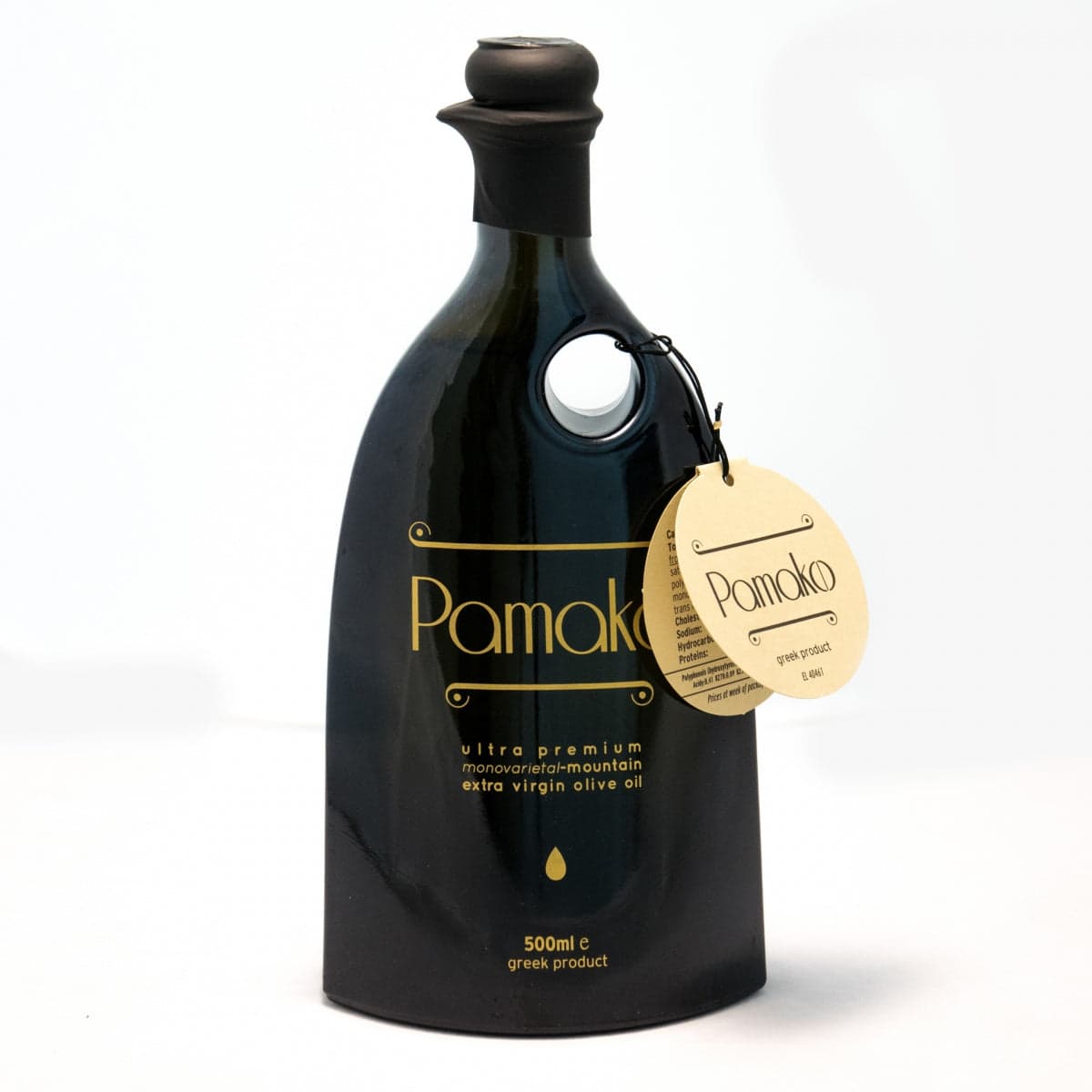
Pamako
€54.95· 500ml
€1.65 per 15ml serving
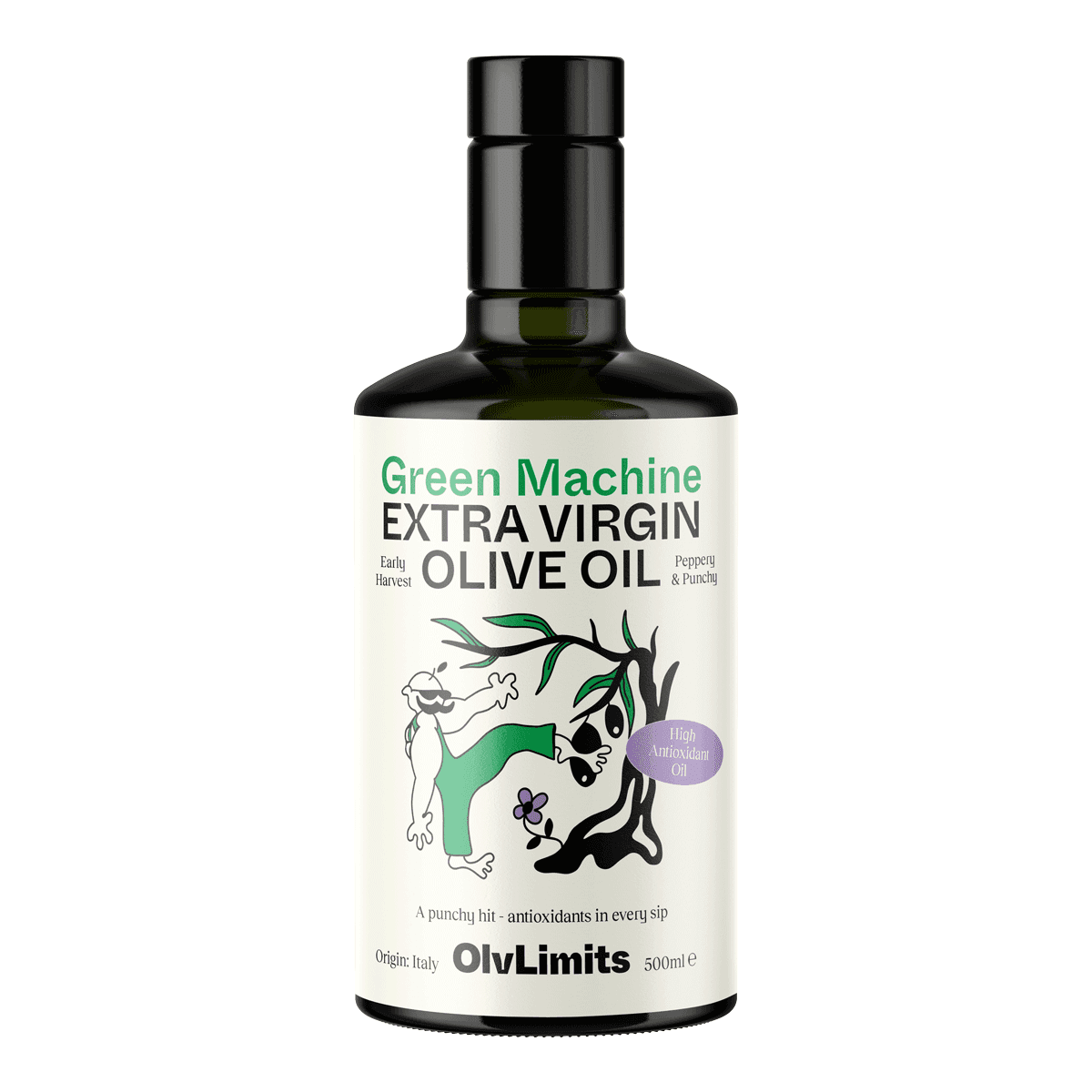
Green Machine
OlvLimits
€23.00· 500ml
€0.69 per 15ml serving
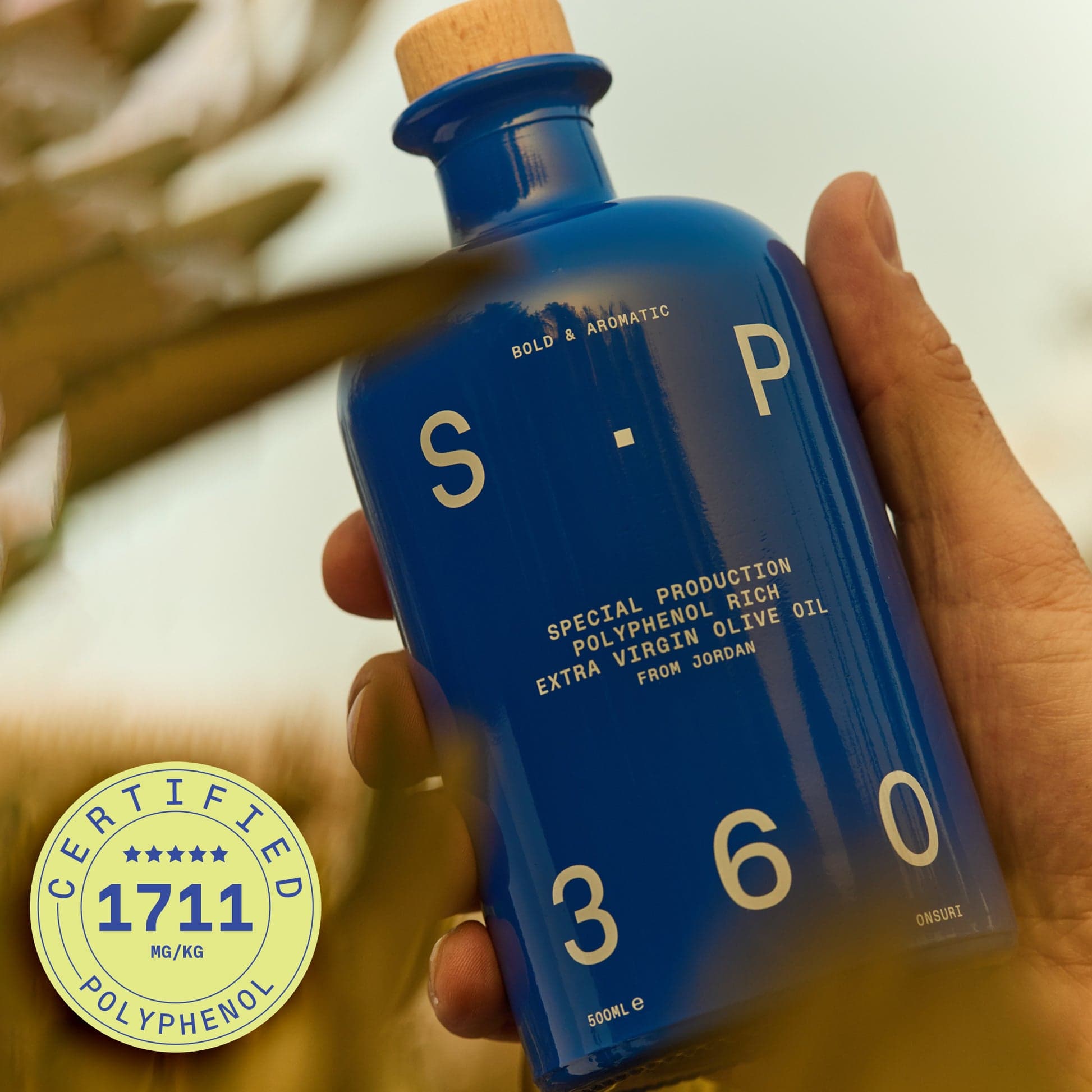
SP360
£42.00· 500ml
£1.26 per 15ml serving
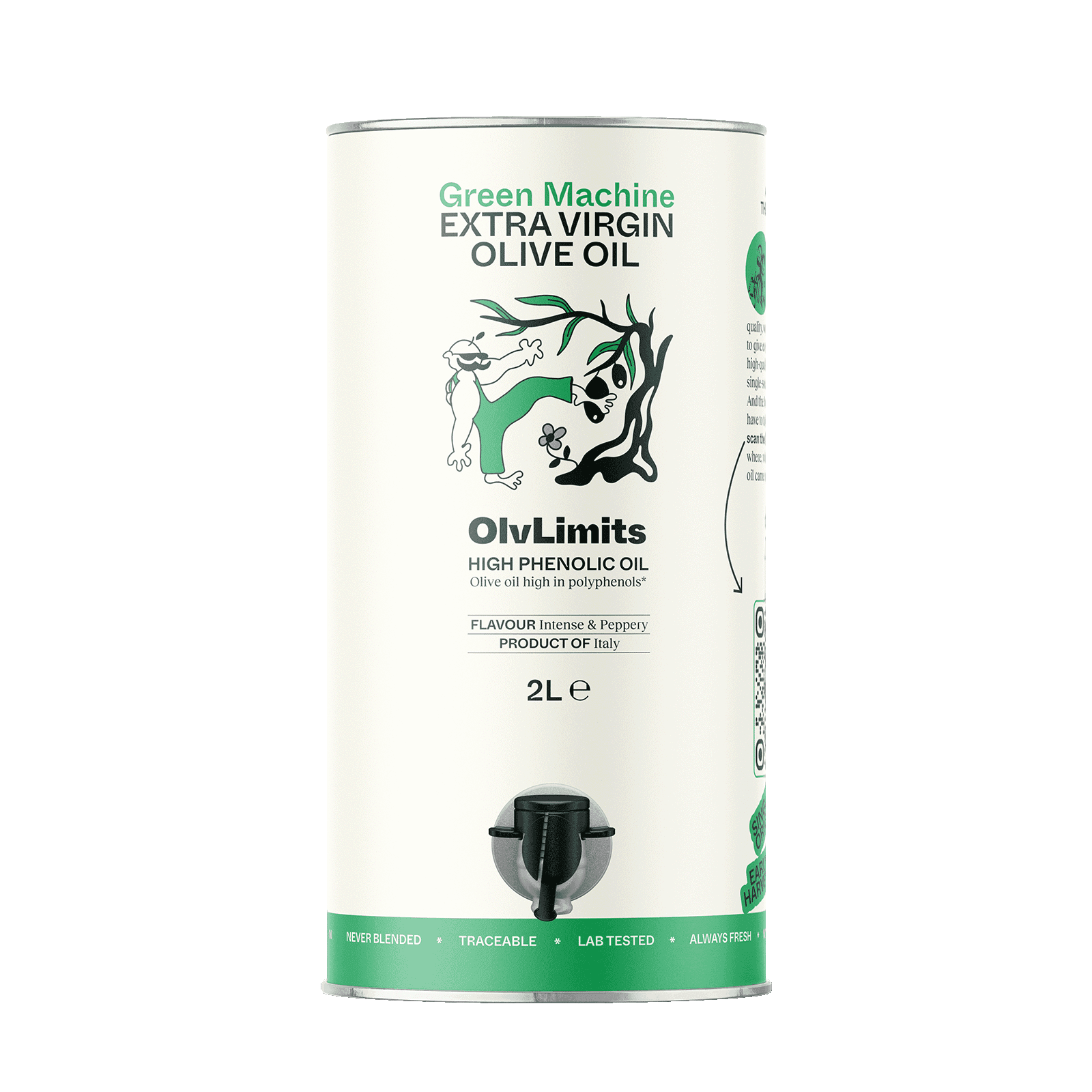
Green Machine 2L bag-in-tube
OlvLimits
€80.00· 2L(≈€20.00/500 ml)
€0.60 per 15ml serving