Does Olive Oil Expire? Shelf Life and Rancidity Explained (2026)
Olive oil does not spoil dangerously, but it oxidises and turns rancid over time, losing flavour and polyphenols.
Yes, olive oil expires. Not the way milk or fresh meat does. It will not grow visible mould or make you ill overnight. It fades. Over months the oil reacts with oxygen, turns rancid, and loses the fresh flavour, aroma, and polyphenols that give a good extra virgin oil its character.
Knowing how that decline works helps you buy better, store smarter, and recognise a bottle that is past its best.
It oxidises, it does not spoil
Olive oil is a fat, and fats go rancid. The main driver is oxidation: oxygen reacts with the fatty acids and breaks them into compounds that smell and taste stale. Light, heat, and time all speed it up. What you get at the end is not a microbial hazard but a steady slide in quality.
Two things fade together as the oil ages. The volatile aroma compounds that give fresh oil its green, grassy notes break down first. Alongside them, the polyphenols that define a high-phenolic oil get used up as they do their protective work. As we cover in what polyphenols are in olive oil, these compounds are not only a health talking point. They are a working part of the oil's chemistry.
The International Olive Council sets the trade standards behind the term extra virgin, including limits on oxidation markers such as peroxide value and acidity. The framework sits in the IOC trade standard. A fresh, well-made oil sits comfortably inside those limits. An old or badly stored one drifts past them as oxidation advances.
How long it actually lasts
Olive oil has no single fixed expiry, but a few working rules hold up:
| Stage | Typical quality window |
|---|---|
| Unopened, well stored | Best within about 12 to 18 months of harvest |
| After opening | Best within a few weeks to a few months |
| Past the best-before date | May still be usable, but flavour and polyphenols decline |
The most useful number on the label is the harvest date, not the printed best-before date. A best-before date is often set 18 to 24 months from bottling, and bottling can happen months after pressing. An oil from a recent early harvest, bottled promptly, will outlast an oil of unknown age. This is why we publish harvest data and explain why the harvest date matters on every oil we review.
Once the bottle is open, the clock speeds up. Every pour lets in air, and the pocket of oxygen sitting above a half-empty bottle keeps reacting with the oil between uses.
How to tell if it has gone off
Your nose and palate are the best instruments here. Trust them over the date on the label.
- Smell it. Fresh oil smells green, grassy, fruity, or faintly like cut herbs or tomato leaf. Rancid oil smells stale, waxy, or like crayons, putty, or old walnuts.
- Taste it. Fresh high-polyphenol oil is lively, sometimes bitter, with a peppery catch at the back of the throat. Old oil tastes flat, greasy, or dull, the pepper and brightness gone.
- Look, but do not over-read it. Cloudiness alone is not a fault. Unfiltered oils are naturally hazy, as we cover in filtered versus unfiltered olive oil. Smell and taste are what reveal rancidity.
If you are not sure what fresh oil should taste like, our guide on how to taste olive oil walks through the sensory cues step by step.
Why high-polyphenol oils last longer
Polyphenols are antioxidants. They scavenge the free radicals thrown off during lipid oxidation, taking the hit so the oil's fatty acids do not. The more polyphenols an oil starts with, the larger its reserve, and the longer it resists going rancid.
Studies support this pattern. Research published in the journal Antioxidants on the oxidative stability of extra virgin olive oil describes phenolic content as strongly associated with resistance to oxidation. In the kitchen that means a high-phenolic oil holds its flavour and its measurable polyphenol level longer through everyday use than a low-phenolic one. The link between phenolic content and these stable, peppery compounds runs through our piece on oleocanthal and oleacein.
The same stability makes high-polyphenol oils a sensible pick for cooking: the antioxidants that extend shelf life also help the oil hold up under heat.
What this means for the health side
An oil's polyphenol level is not only about how long it lasts. It also underpins the one health claim the EU authorises for olive oil, which concerns blood lipids and applies only to oils above a set polyphenol threshold. That reserve fades as the oil oxidises, so an old, rancid oil is a weaker oil on every front, flavour and phenolics alike. You can see where this and other outcomes sit in the health evidence overview, and our guide on how much polyphenol olive oil to take daily covers serving size, which depends heavily on the oil's concentration.
Practical recommendations
- Buy by harvest date. Favour oils with a recent, stated harvest date over those sold on a distant best-before date alone.
- Buy a size you will finish. A 250 to 500 mL bottle used within about a month limits how long the oil sits exposed to air.
- Store cool and dark. Keep bottles away from the stove, the windowsill, and direct light. A closed cupboard is ideal. See how to store high-polyphenol olive oil for the full method.
- Seal it tightly. Replace the cap firmly after each use to limit oxygen exposure.
- Trust your senses. If it smells like crayons or tastes flat, it is done, whatever the date says.
For how we assess and verify the oils we list, see our methodology, and browse current options on the oils page.
Put this check into practice
Compare a current bottle such as Green Machine or Pamako in the olive oil dataset, where harvest and lab context sit beside the product details. The buyer framework helps turn that information into a sensible bottle-size and purchase decision. Use the UK ranking or Germany ranking when local availability is part of the decision.
Freshness is sensory as well as calendar-based
Fresh oil
- Fruity, green or herb-like aroma
- Lively flavour, often with bitterness and pungency
- Recent harvest and careful storage
Rancid oil
- Waxy, crayon-like, putty or old-nut aroma
- Flat, greasy or dull flavour
- A reason to replace the bottle rather than save it for cooking
Featured oils
Frequently asked questions
Is rancid olive oil dangerous to eat?
Rancid olive oil is generally not acutely dangerous the way spoiled meat or dairy is, but it tastes unpleasant and has lost most of its quality. It is best discarded rather than used.
How can I tell if my olive oil has gone bad?
Smell and taste it. Rancid oil smells stale, waxy, or like crayons, putty, or old nuts, and tastes flat or greasy rather than fresh and fruity. Fresh oil smells green, grassy, or fruity, often with a peppery finish.
Does olive oil last longer in the fridge?
Refrigeration slows oxidation, but it is not necessary and makes the oil thicken and turn cloudy. A cool, dark cupboard works well, and a tightly sealed bottle finished within a month or two of opening is the most practical approach.
Why does high-polyphenol olive oil keep longer?
Polyphenols act as natural antioxidants that scavenge the free radicals driving oxidation. A higher starting polyphenol level gives the oil a larger reserve, so it holds its flavour and protective compounds longer during normal kitchen use.
How we reviewed this article
Written and edited by our editorial team and checked against primary research and EU regulation. We cite peer-reviewed studies and official sources, and prefer human trials and reviews over in-vitro work.
Sources
- EFSA health claims-based virgin olive oil shelf-life — Antioxidants
- IOC consumer guidelines on olive-oil storage — International Olive Council
Searching for olive oil for your health and longevity
Our top-ranked high-polyphenol olive oils, sorted by lab-verified content.
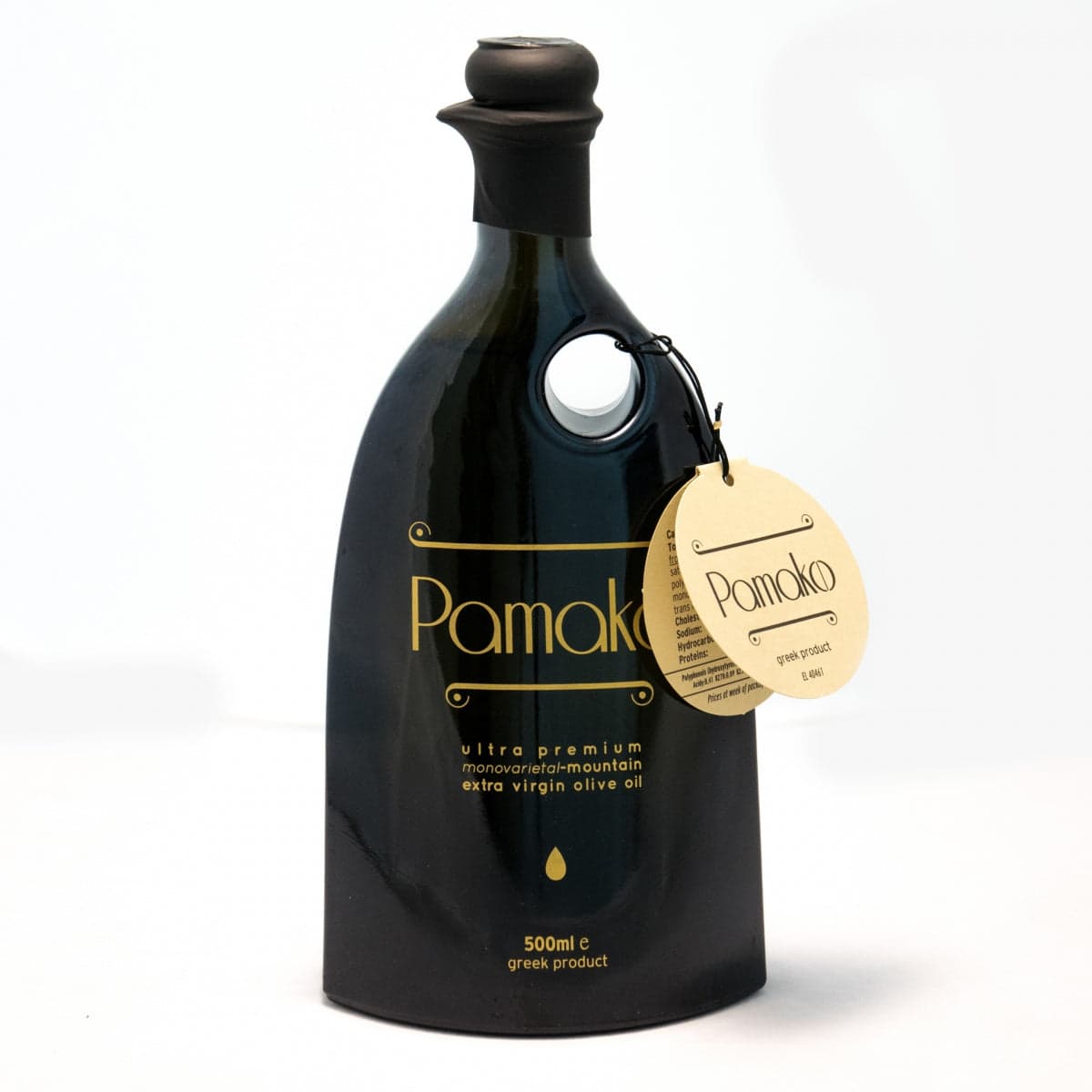
Pamako
€54.95· 500ml
€1.65 per 15ml serving
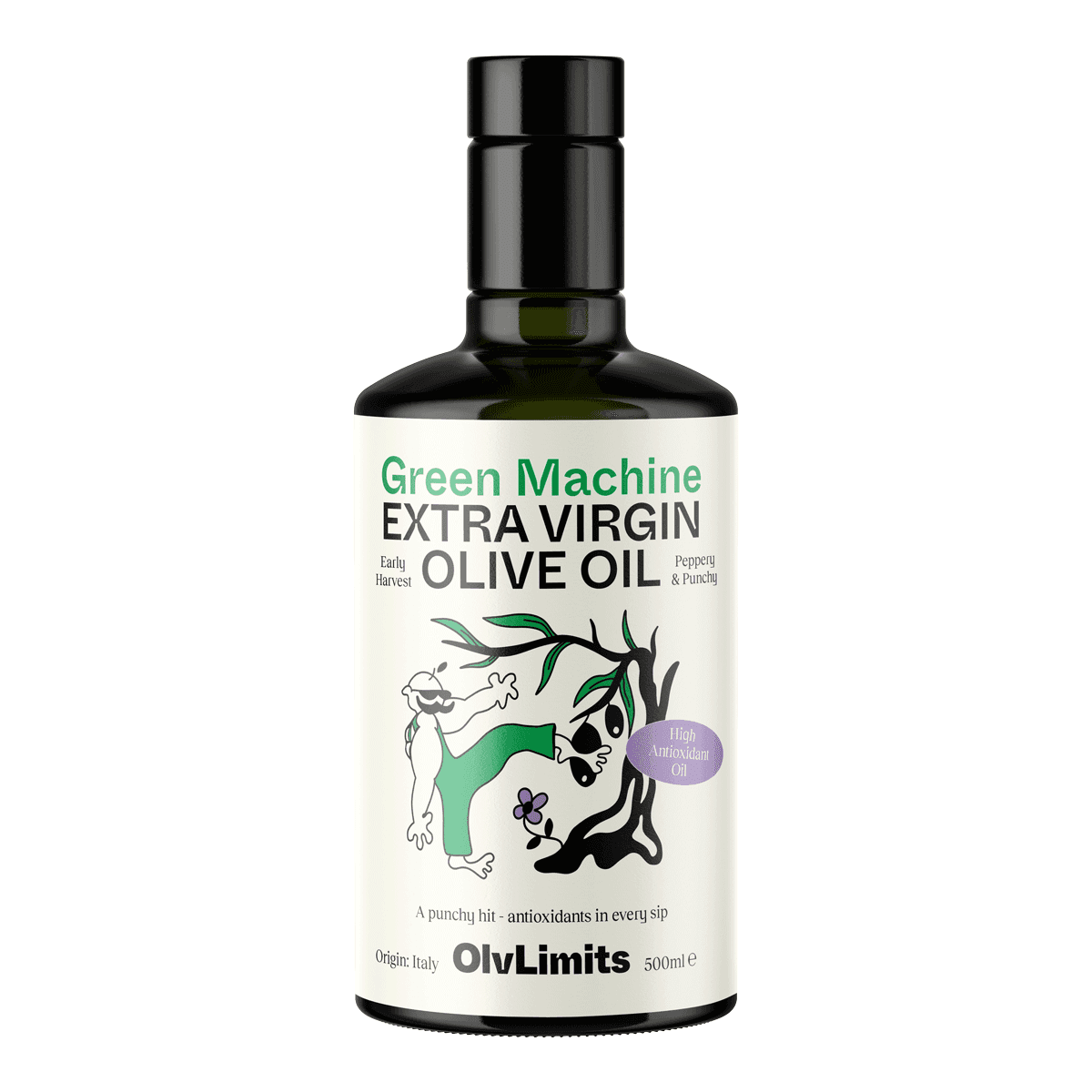
Green Machine
OlvLimits
€23.00· 500ml
€0.69 per 15ml serving
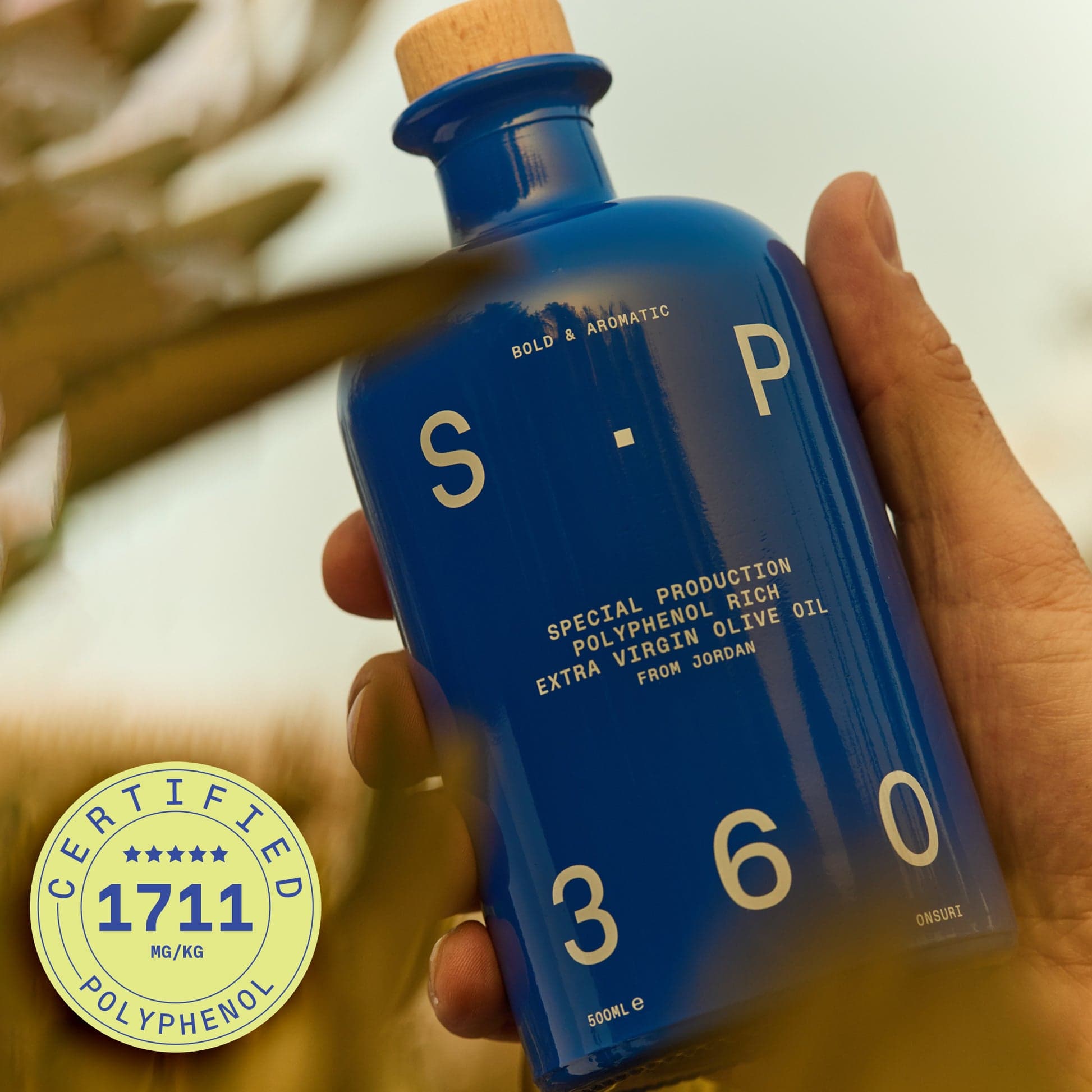
SP360
£42.00· 500ml
£1.26 per 15ml serving
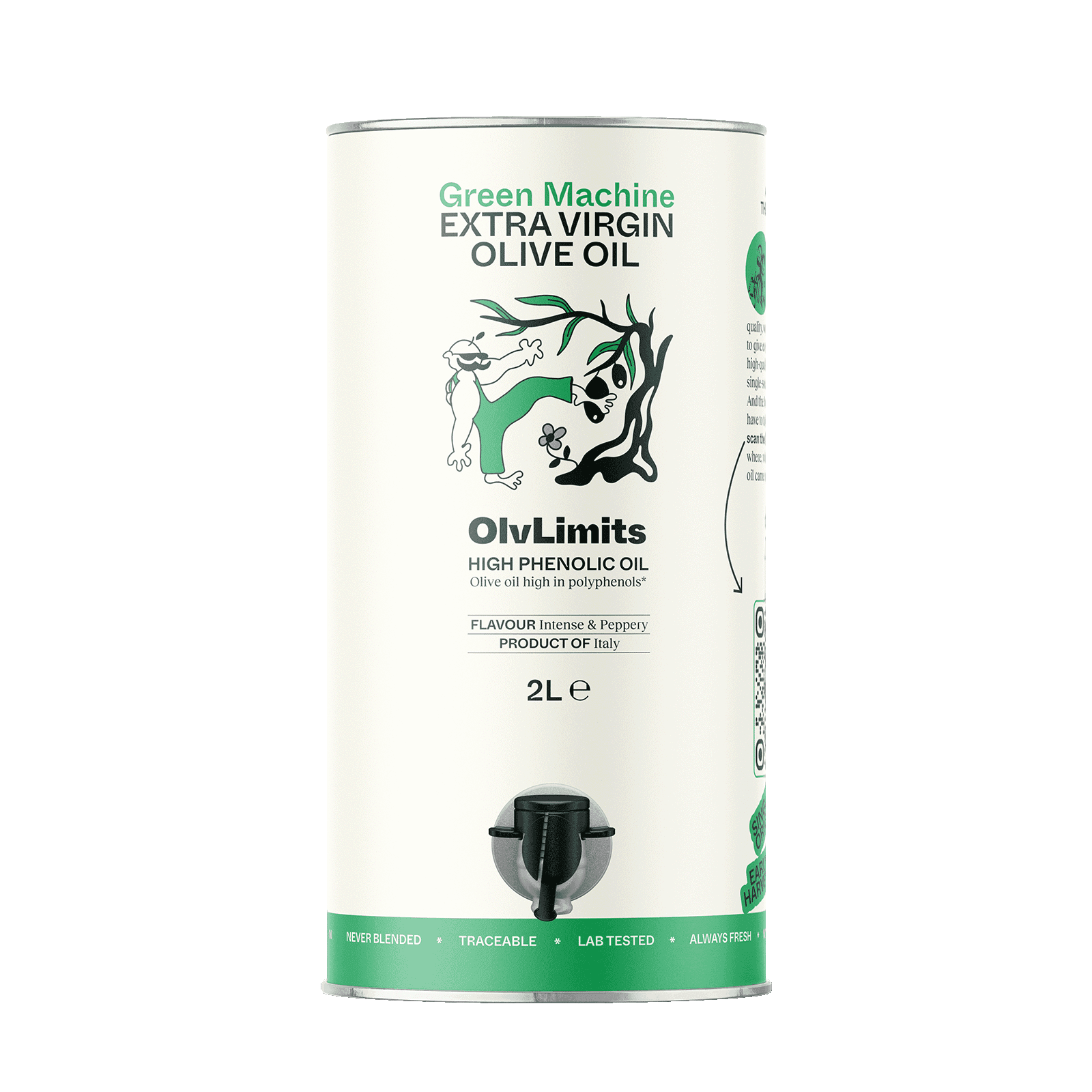
Green Machine 2L bag-in-tube
OlvLimits
€80.00· 2L(≈€20.00/500 ml)
€0.60 per 15ml serving