How to Store High-Polyphenol Olive Oil: The Complete Guide (2026)
Light, heat, oxygen and time are the four things that quietly drain the polyphenols out of a good olive oil. Here is how to slow all four down at home.
A high-polyphenol olive oil is a farm product with a clock running on it. The compounds that make it worth buying, the antioxidants behind its peppery sting and bitterness and the one health claim European law allows, start to fade from the day the olives are pressed. You cannot stop that. But how you store the bottle decides whether it happens slowly over many months or fast over a few weeks.
Here is the short answer before the detail: keep the oil cool, dark, and tightly sealed, and buy a size you will finish while it is fresh. The rest of this guide explains the four things that degrade olive oil, why a phenol-rich oil has a head start, and the choices that keep an expensive oil tasting the way it did when you opened it: container, location, sealing, bottle size, and decanting. For how those polyphenols work in the first place, see our guide to what polyphenols in olive oil actually are. For how we measure and rank them, see our methodology.
The four enemies: light, heat, oxygen and time
Olive oil degrades through oxidation, a chain of reactions in which oxygen attacks the oil's fatty acids and produces the compounds behind rancid smells and flavours. Four everyday factors drive it. Good storage is mostly the work of slowing all four.
Light
Light, and ultraviolet light in particular, speeds up oxidation and breaks down both the oil's fatty acids and its protective compounds. This is why olive oil is traditionally sold in dark glass or tin, and why a pretty clear-glass bottle on a sunny windowsill is one of the worst things you can do to a good oil. Light damage builds up and cannot be undone, so the simplest rule of olive oil storage is to keep it in the dark.
Heat
Warmth speeds up chemical reactions, oxidation included. An oil kept in a cool cupboard ages far more slowly than the same oil sitting next to a hot stove or above the oven. That spot beside the hob is one of the most common kitchen mistakes, because it is so convenient. Keep oil somewhere cool and stable, away from any heat source.
Oxygen
Oxygen is what oxidation reacts with, so every exposure to air moves the oil a little further along. The air sitting inside a part-used bottle counts, and so does every uncapped pour. That is why a tightly sealed bottle matters, why a half-empty large bottle ages faster than a full small one, and why decanting helps late in a bottle's life. It is also why single-use sealed formats exist. They cut out repeated air exposure.
Time
Even stored perfectly, an oil loses polyphenols and freshness as the months pass. Time is the one enemy you cannot remove, only manage. Buy oil with a recent harvest date, buy a size you will finish, and do not stockpile more than you can use while it is fresh.
Why high-polyphenol oil lasts longer
Here is the part that rewards buying a phenol-rich oil in the first place. It tends to keep better than a cheap, low-phenol one stored the same way.
Polyphenols are antioxidants. In the bottle they do for the oil what they are studied for in the body: they interrupt oxidation reactions. As the oil sits, its phenolic compounds are used up neutralising the free radicals that lipid oxidation generates, spending themselves to protect the fatty acids. An oil that starts with a large reserve of these compounds has more protection to spend before oxidation takes hold.
A 2023 review in the journal Antioxidants reports that the oxidative stability of extra virgin olive oil depends mainly on its composition, its phenolic compounds and tocopherols, which the authors describe as strong antioxidants (Olmo-Cunillera et al., 2023, PMID 37760079). Put plainly, the same chemistry that gives a good oil its bitter, peppery taste also helps it resist going stale. The catch is that the reserve is finite. A high-phenolic oil lasts longer, but it is not immune to time and bad storage. It just has more of a buffer, and that buffer is worth protecting.
This is also why the polyphenol number on a label is a starting figure, not a permanent one. An oil tested at 600 mg/kg at bottling will read lower months later, and faster still if it has been stored badly. See our notes on lab testing and how polyphenols are measured for what those figures do and do not capture.
It helps to be clear about what good storage can and cannot do. Storage does not add polyphenols or reverse oxidation that has already happened. The reserve only ever shrinks. What careful handling buys you is time: a slower rate of decline, so more of the oil's original phenolic content and flavour is still there when you pour it. Two identical bottles, one stored well and one stored badly, can end up worlds apart after a few months. That gap is within your control.
Containers: dark glass, tin and the rest
The container's job is to block light and limit air. Judged on that, the options sort cleanly.
| Container | Blocks light | Air control | Best for |
|---|---|---|---|
| Tin (food-grade) | Complete | Good when sealed | Shipping, larger volumes, longer storage |
| Dark / UV glass | Very good | Good when capped | A bottle in everyday use |
| Ceramic / stoneware | Complete | Depends on closure | Decanting, table use with a sealing lid |
| Clear glass | Poor | Good when capped | Avoid for storage; fine only if kept in the dark |
| Clear plastic | Poor | Poor | Avoid |
Tin and dark glass are the two sensible defaults. Tin blocks light completely and suits transport and an oil you will not open for a while. Dark or UV-filtering glass lets you keep an eye on the oil and is convenient for the bottle you are actually using. Clear glass and clear plastic are the formats to be wary of. Clear glass offers almost no light protection, and plastic adds the risk of slow oxygen creeping in over time. If a premium oil arrives in clear glass, keep it strictly in a closed cupboard. When you are choosing an oil, packaging is one of the signals we weigh in our guide to choosing a high-polyphenol olive oil, alongside harvest date and lab data.
Where to keep it
The ideal spot is a cool, dark, closed cupboard, away from the stove, the oven, the dishwasher and any window. A pantry or an interior cabinet works well. The worst spots are the tempting ones: on the counter beside the hob, in a clear cruet on the table in daylight, and on an open shelf above the cooker, where heat rises and light reaches it all day.
You do not need a wine fridge or a cellar. An ordinary room-temperature cupboard that does not swing hot is enough for a bottle in regular use. For a larger reserve you will not touch for months, a cooler place helps, and refrigeration is an option with one cosmetic caveat covered below.
A note on the fridge
Refrigerating olive oil is sometimes recommended for long-term storage, and it does slow oxidation. It is rarely necessary, though, and comes with a quirk worth knowing. In the cold, olive oil turns cloudy and can form soft, waxy clumps or set semi-solid. This is harmless. It is not a sign of spoilage, and contrary to a common myth it is not a reliable test of authenticity either. It simply reflects the oil's natural fats firming up at low temperature. Left at room temperature the oil clears and turns liquid again with no loss of quality. The real downside is convenience, since you cannot pour straight from a fridge-cold bottle. If you keep a reserve cold, decant a working amount into a small dark bottle for the cupboard and leave the bulk chilled and sealed until you need it.
Sealing, bottle size and decanting
Cap it tightly, every time
The cheapest habit that protects an oil is closing it properly straight after use. An open or loosely capped bottle keeps exchanging air. If your bottle has a pour spout, make sure it is one that actually seals. Open-topped dispensers and decorative cruets left uncovered are a steady drain on freshness.
Buy a size you will finish
Air exposure adds up over time, so the right bottle size is the one you will empty while the oil is still fresh, roughly within one to three months of opening for daily users. A 250 to 500 ml bottle that you finish in a month will almost always taste better at the end than a large tin you nurse for half a year. If you genuinely get through a lot of oil, a large format is fine. If you do not, a smaller bottle is the better buy even at a higher price per litre.
Decant once a bottle is half-empty
As a large bottle empties, the column of air above the oil grows, and so does its contact with oxygen. Decanting the rest into a smaller, clean, dry, airtight opaque container cuts that air space and can slow the final stretch of a bottle's life. Two rules. Use a scrupulously clean and dry vessel. And never pour fresh oil into a part-used old bottle whose residue may already be oxidised, which contaminates good oil with bad.
Shelf life: best-before versus reality
Most olive oil carries a best-before date set some months to a couple of years after bottling. That date is a maker's estimate for an unopened bottle stored reasonably. It is not a guarantee of peak polyphenol content, which is highest closest to pressing. For a high-phenolic oil bought for its freshness, the harvest date is more meaningful than the best-before.
Once opened, the clock speeds up. Aim to finish an opened bottle within roughly one to three months, while it still tastes vivid. An oil does not become unsafe the day after its best-before. The main risk of old oil is rancidity, which is a quality problem rather than a safety one, but a tired, oxidised oil has lost much of the character and phenolic content you paid for. Our guide on whether olive oil expires goes deeper on dates and what they mean.
How to spot rancidity
Your nose and palate are the reliable instruments here. Fresh, phenol-rich oil smells green and grassy or fruity and tastes bitter and peppery, often with a throat-catching sting. As an oil oxidises, that character fades and off-notes take over:
- Smell: crayons or wax, putty, old or stale nuts, plasticine, or the smell of old cooking oil.
- Taste: flat, greasy and dull, with the fresh bitterness and pepperiness gone.
- Other signs: a duller colour, or a heavy, fatty mouthfeel where there was once a clean finish.
Rancid oil is not dangerous in the small amounts you would notice and reject, but it has nothing left to offer. Its flavour is spoiled and most of its polyphenol character is gone. When an oil reaches that point, replace it. To make the next bottle count, start from our master ranking of high-polyphenol olive oils and our research evidence map, and pair a fresh oil with the storage habits above.
The short version
Buy fresh, buy a size you will finish, keep it sealed, cool and in the dark, and decant the last of a big bottle. A high-polyphenol oil gives you a head start, because its antioxidants protect the oil as well as being the reason to drink it. That protection is a finite reserve, and good storage is how you make it last. For the wider picture, our guides hub and data pages connect freshness to everything else that separates a serious oil from a supermarket one.
Put this check into practice
The featured Green Machine and November Early Harvest cards are useful examples of why bottle size, harvest and storage need to be considered together. Compare their listed fields in the olive oil dataset, then apply the buyer framework before choosing a pack. The UK ranking and Germany ranking help narrow that comparison to oils available in each market.
Protect the oil you paid for
Slows degradation
- Dark glass or tin in a cool, dark cupboard
- A sealed cap and a bottle size you will finish
- Smaller, clean opaque storage once a large bottle is half empty
Speeds degradation
- Clear packaging in light or beside a hob
- Warmth, a loose cap and repeated exposure to air
- Keeping a partly used large bottle for months
Featured oils
Frequently asked questions
Does olive oil need to be refrigerated?
No. A cool, dark cupboard away from heat is enough for everyday use, and refrigeration can turn the oil cloudy and semi-solid (this is harmless and reverses at room temperature). Cold storage can be useful for a large reserve you will not open for months, but it is unnecessary for a bottle in regular use.
How long does high-polyphenol olive oil last after opening?
Plan to finish an opened bottle over roughly one to three months. Each time you open it you let in air, so an oil in steady daily use is better off in a smaller bottle you will empty quickly than a large one left half-full for a long time.
Is dark glass or tin better for storing olive oil?
Both work well because both block light. Tin blocks light completely and is excellent for shipping and longer storage; dark glass lets you see the oil and is convenient for a bottle in use. Avoid clear glass and clear plastic, which expose the oil to light and offer little protection.
Why does high-phenolic olive oil stay fresh longer?
Phenolic compounds act as antioxidants. They are consumed as they neutralise the reactions that turn oil rancid, so an oil that starts with a larger reserve of polyphenols generally resists oxidation for longer than a low-phenol oil stored the same way.
How can I tell if my olive oil has gone rancid?
Rancid oil loses its fresh, grassy, peppery character and instead smells of crayons, putty, old nuts or stale cooking oil, with a flat, greasy taste. It is not harmful in small amounts but its quality and most of its polyphenol character are gone, so it is best replaced.
Should I decant olive oil into a smaller bottle?
Decanting into a smaller, dark, airtight container can help once a large bottle is more than half empty, because it reduces the air sitting above the oil. Use a clean, dry, opaque container, keep it sealed and cool, and do not pour oil into a part-used old bottle that may already be oxidised.
Does a pour spout or open dispenser harm the oil?
An open-topped dispenser or a bottle left uncapped exposes the oil to air continuously and speeds up oxidation. If you use a spout, choose one that seals, and keep the oil out of the light and away from the heat of the hob.
How we reviewed this article
Written and edited by our editorial team and checked against primary research and EU regulation. We cite peer-reviewed studies and official sources, and prefer human trials and reviews over in-vitro work.
Sources
- EFSA health claims-based virgin olive oil shelf-life — Antioxidants
- IOC consumer guidelines on olive-oil storage — International Olive Council
Searching for olive oil for your health and longevity
Our top-ranked high-polyphenol olive oils, sorted by lab-verified content.
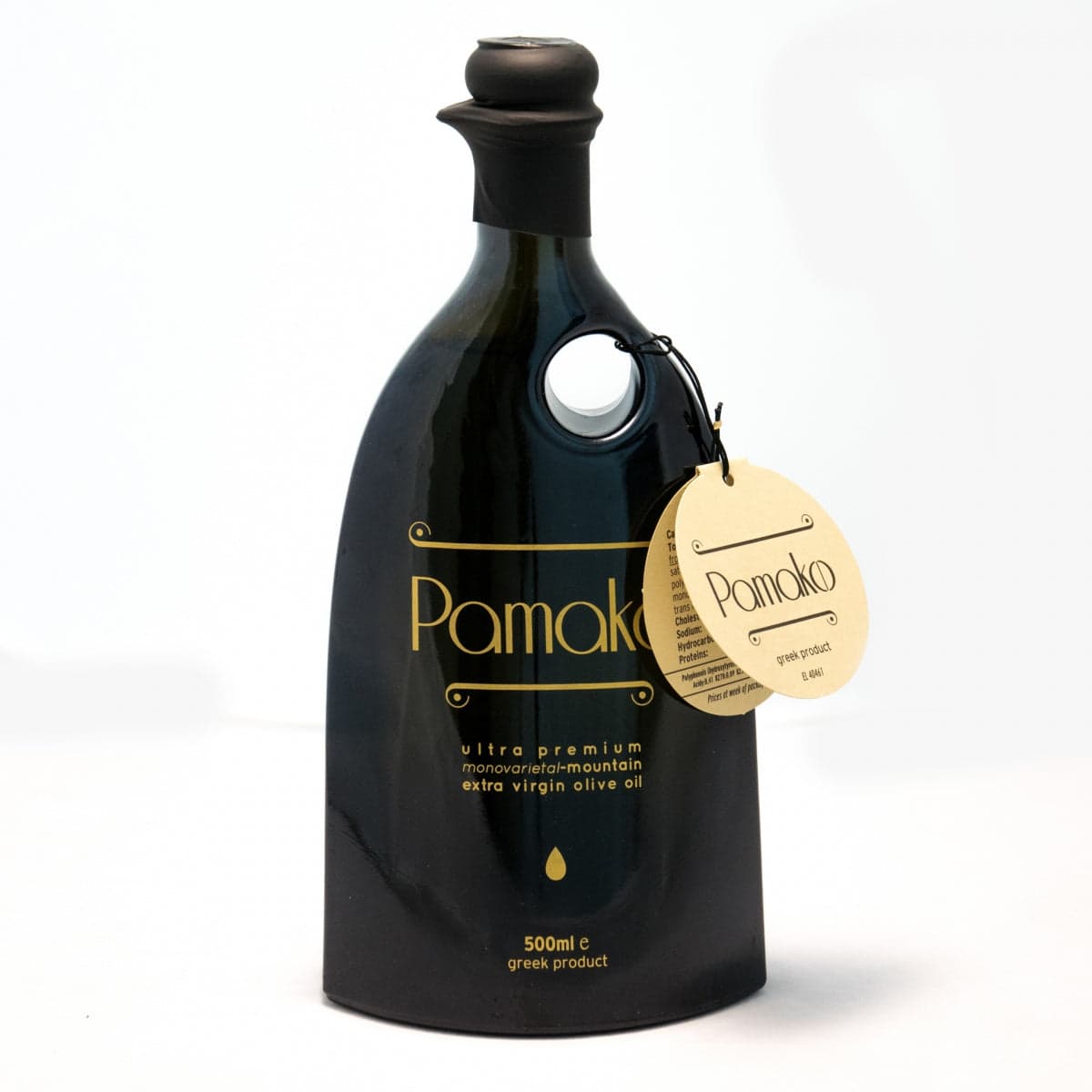
Pamako
€54.95· 500ml
€1.65 per 15ml serving
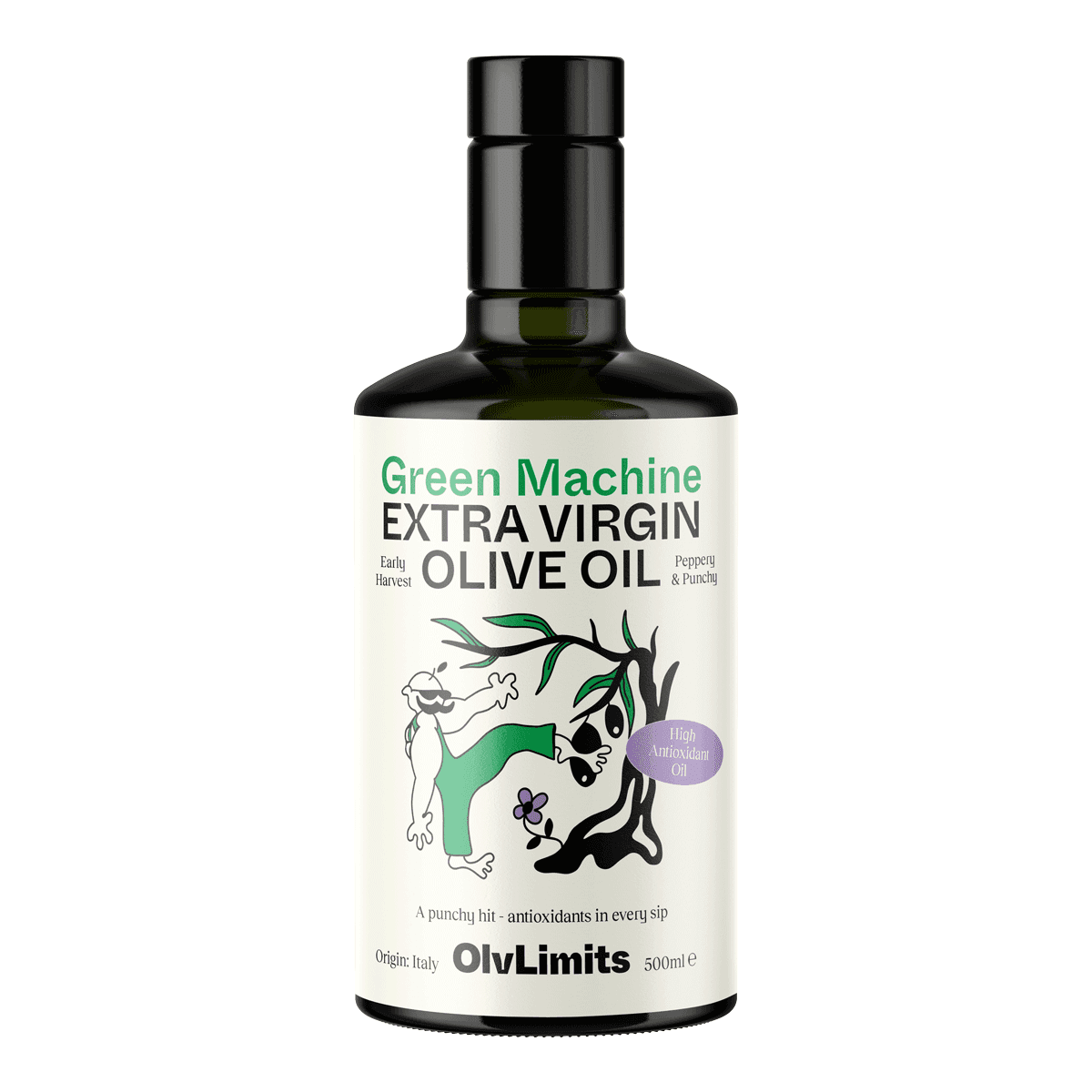
Green Machine
OlvLimits
€23.00· 500ml
€0.69 per 15ml serving
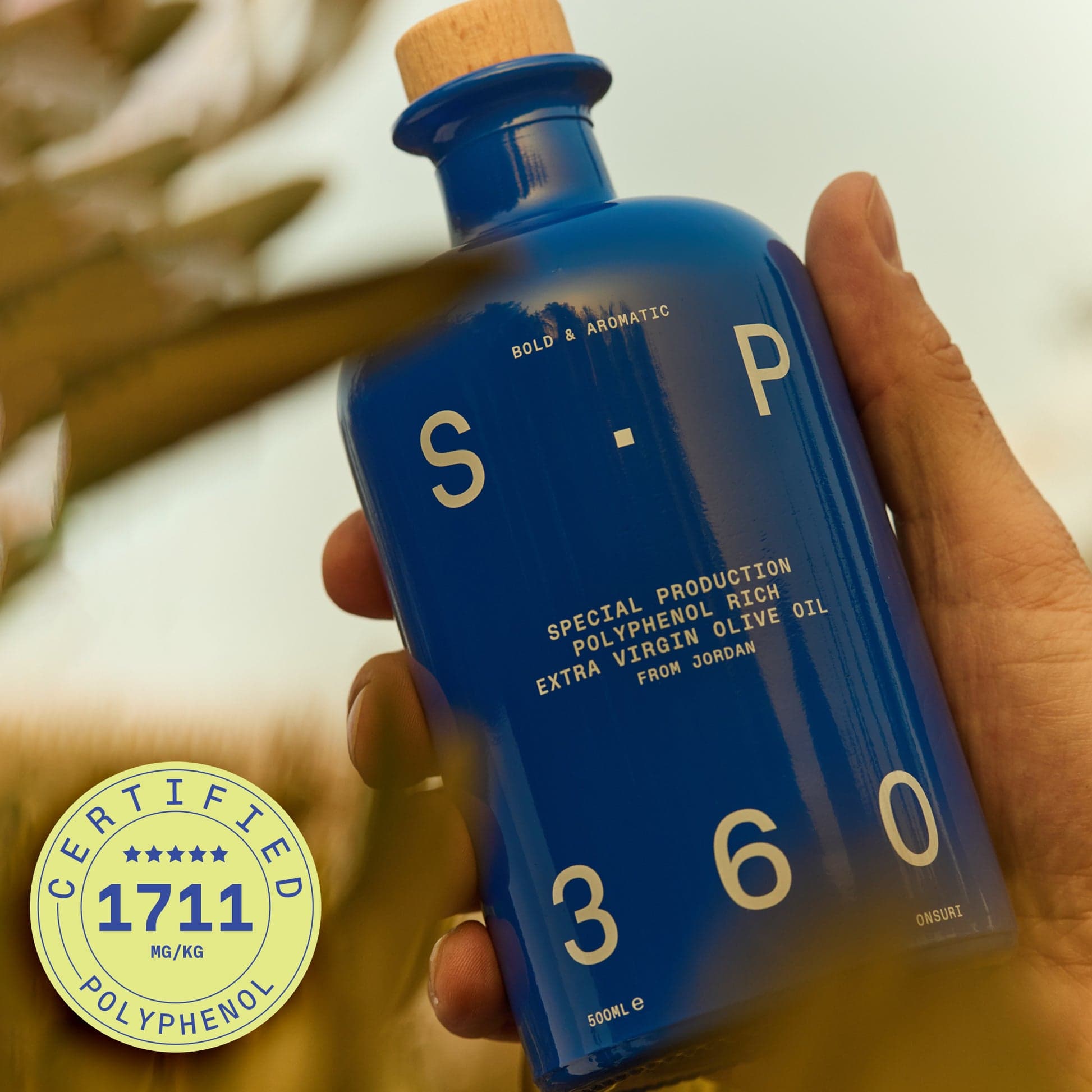
SP360
£42.00· 500ml
£1.26 per 15ml serving
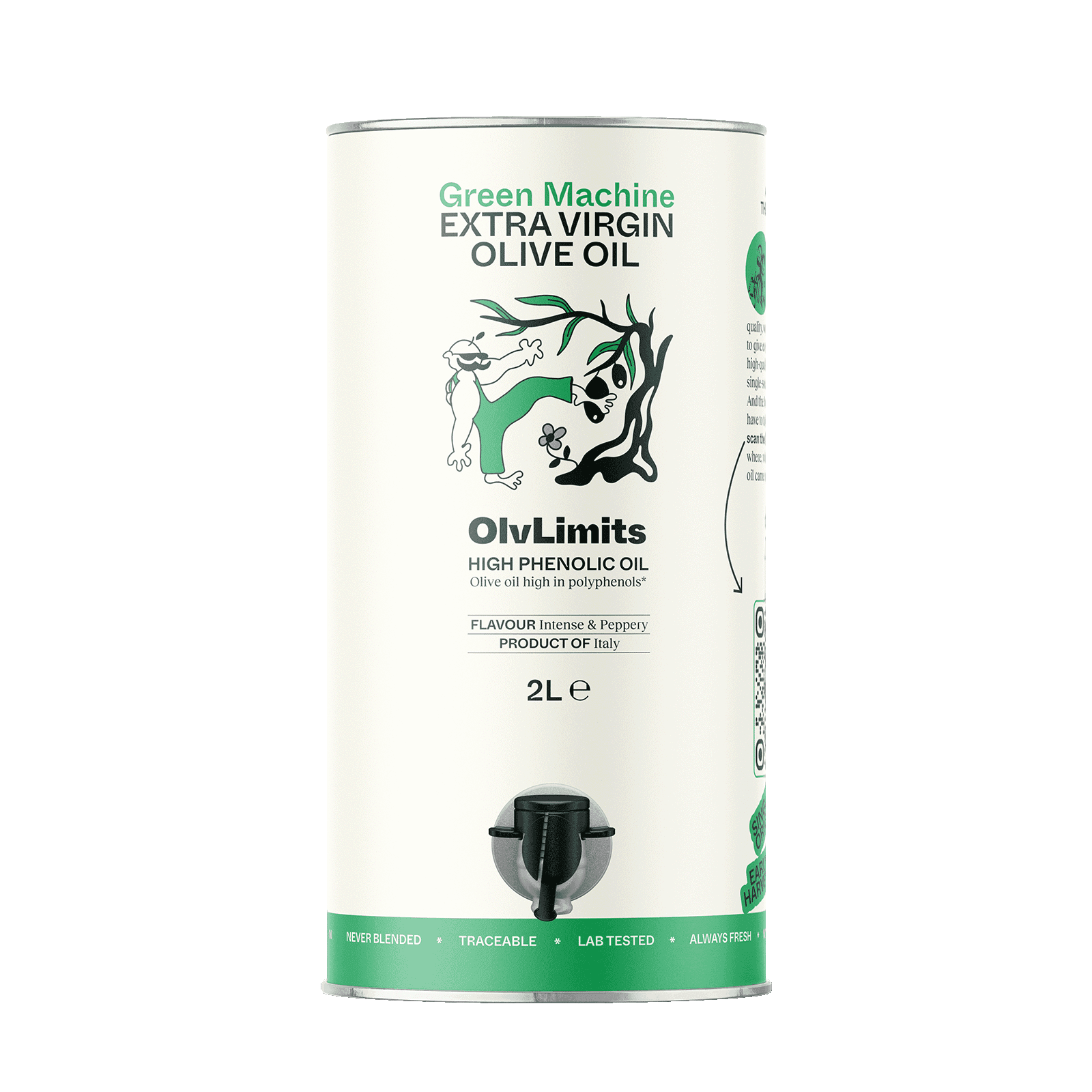
Green Machine 2L bag-in-tube
OlvLimits
€80.00· 2L(≈€20.00/500 ml)
€0.60 per 15ml serving