How to Avoid Olive Oil Fraud: A Buyer's Guide (2026)
A European buyer's guide to olive oil fraud: what mislabelling looks like, why the "extra virgin" grade is often unreliable, and the label and lab signals that separate genuine oil from filler.

Most olive oil sold in Europe is real olive oil. The problem is subtler than outright counterfeiting: a bottle labelled "extra virgin" can hold a lower grade, an old oil dressed up as fresh, or a blend stretched with cheaper oil. The label carries a legal grade, but enforcement is uneven, so the word alone does not guarantee what is inside.
The good news is that fraud leaves traces. Once you know which facts on a label are verifiable and which are just marketing, the guesswork mostly disappears.
What olive oil fraud actually looks like
"Extra virgin" is defined in EU and International Olive Council rules by acidity, peroxide value, and a sensory panel. An oil that fails any of those is, by definition, not extra virgin, whatever the front label says.
The issues you are likely to meet fall into a few buckets:
- Mislabelling: a refined or lower-grade oil sold as extra virgin.
- Adulteration: extra virgin oil blended with cheaper olive oil or, less often, another vegetable oil.
- Vague or false origin: "bottled in Italy" standing in for "grown in Italy", or a region named on the front with no way to check it.
- Age passed off as freshness: last season's oil, or older, with no harvest date to give it away.
The incentive is money. Genuine early-harvest extra virgin oil costs far more to make than a refined blend, so there is a margin in selling the cheaper thing under the better name.
How common is it? Independent testing has found a meaningful share of samples labelled extra virgin failing the grade over the years, though figures vary widely by study, country, and method, so read any single headline percentage with caution. A cleaner, lab-verified point is this: most retail oils are low in polyphenols. Around 90% of Italian retail extra virgin oils fall below the level tied to the EU health claim (Caporaso et al., 2015), and 96% do across a seven-country sample (Pedan et al., 2019). That does not make them fraudulent, but it shows how far the everyday bottle sits from the oils worth paying for.
Label red flags
None of these proves fraud on its own. Together they tell you whether a producer is being transparent or hiding behind marketing.
Vague origin and labelling
Be wary of an oil with no specific region, no harvest date, a generic "Mediterranean blend" description, or missing producer details. A serious producer names the estate or region, the harvest, and themselves.
Watch the wording on origin too. "Bottled in" or "packed in" a country is not the same as grown there. If the front implies an origin the back does not confirm, read the claim as decorative.
Clear bottles
Light drives oxidation, which is why careful producers use dark glass or tin. A clear bottle on a bright shelf is not proof of a bad oil, but it tells you the producer is not protecting the oil from the one thing that ages it fastest on display.
"Light" or "pure" olive oil
These are not softer versions of extra virgin. They are refined grades, processed to strip flavour and defects, and they carry little of the polyphenol content that makes early-harvest oil worth drinking. If a label leans on "light" or "pure", it is telling you the grade.
Price that is too good
Real extra virgin oil is expensive to produce: careful harvesting, milling within hours, cold extraction, and proper storage all cost money. A bargain-bin "extra virgin" priced like a commodity oil is a signal to check the rest of the label closely. Price is a weak signal on its own, though; a high price does not guarantee a good oil, only that the margin exists to make one.
What a genuine oil shows you
Flip the red flags around and you get a short list of things a transparent producer is happy to put in writing:
- A recent harvest date, ideally within the last 12 to 18 months.
- A single origin: a named region or estate, not just a country of bottling.
- Named cultivars, such as Coratina, Picual, Koroneiki, or Moraiolo.
- A lab-tested polyphenol figure, with the date of the test.
- Dark glass or tin packaging.
- A PDO or PGI designation where it applies (EU-protected origin schemes).
Of these, the polyphenol figure is the hardest to fake and the most useful. It reflects a real oil made from healthy fruit picked at the right time, and because most retail oils measure low, a verified high number stands out. Our guide on how to read an olive oil lab analysis walks through the numbers, and how to choose a high-polyphenol olive oil covers what to prioritise.
The taste test, and its limits
Your palate can catch a defective oil even if it cannot certify a good one.
Fresh genuine extra virgin oil is fruity, green or ripe, with some bitterness and a peppery catch at the back of the throat. That sting comes from oleocanthal, one of the phenolic compounds early-harvest oils carry more of. If an oil tastes flat, greasy, musty, or rancid, something is wrong, whatever the label says.
What tasting cannot do is confirm the polyphenol level or the origin. For that you need numbers. If you want to build your palate first, how to taste olive oil is the place to start.
Certification helps, but does not replace the numbers
A few schemes are worth recognising on a European shelf:
- PDO (Protected Designation of Origin): ties the oil to a defined region and method under EU law.
- PGI (Protected Geographical Indication): a looser EU origin link than PDO.
- Organic certification: covers how the olives were grown, not the oil's grade or freshness.
These confirm origin or farming method. None of them measures how much polyphenol ended up in the bottle or how fresh it is, which is why a lab figure and a harvest date still matter alongside any seal.
Where the guesswork ends
You can do a lot with the label alone: check the harvest date, look for a single origin and named cultivars, choose dark glass, and be sceptical of vague wording. Our companion checklist for spotting fake olive oil turns that into a step-by-step pass at the shelf.
The one thing a label cannot give you is proof, and that is where third-party lab data comes in. A curator that publishes harvest dates and polyphenol tests lets you check an oil instead of trusting it. That is the approach behind our master ranking, which lists only oils with independent lab testing, and our methodology explains how we sort them. Higher-polyphenol oils tend to carry more of the compounds behind the one health effect the EU authorises for olive oil, which concerns blood lipids; the health evidence overview sets out what that claim covers and what it does not.
If a deal seems too good to be true, check the harvest date and the lab figure before you buy. Those two facts settle most of it.
Put this check into practice
Try the checklist against the published details for Green Machine and Citizens of Soil Health Club, then cross-check the fields in the olive oil dataset. The buyer framework turns those checks into a purchase sequence. When shipping route matters, move from the evidence to the live UK ranking or Germany ranking.
Evidence to verify versus marketing to question
Stronger buying signals
- A named producer, harvest and specific origin
- Batch-matched lab data with a stated method and date
- Protected-origin documentation where it applies
Weak signals on their own
- A generic country reference or a bottling location
- Bottle colour, medals or vague wellness language
- A high price without traceable batch information
Featured oils
Frequently asked questions
Is most supermarket olive oil fake?
Not usually fake, but often mislabelled or oxidised. It is generally still olive oil, just a lower grade than the label claims or older than it looks. Independent tests over the years have found a share of samples labelled extra virgin failing the chemistry or sensory tests for that grade.
Does a high price guarantee genuine extra virgin olive oil?
No. Price correlates loosely with quality, but an expensive oil can still be old or poorly stored. Read price as one signal among several, alongside harvest date, origin, and lab data.
Can I tell if olive oil is fake by taste at home?
You can catch obvious defects. Fresh genuine oil tastes fruity, often with a peppery catch at the back of the throat and some bitterness. Flat, greasy, rancid, or musty flavours point to a degraded or defective oil.
Does dark glass actually matter?
Yes. Light speeds up oxidation, so dark glass or tin protects the oil better than clear bottles. Clear glass is not proof of fraud, but it is a sign the producer is not prioritising the oil inside.
What does a polyphenol figure tell me about authenticity?
A recent, lab-measured polyphenol figure is hard to fake and reflects a real oil made from healthy fruit. Most retail oils sit low on this measure, so a verified number, with its test date, is a stronger signal than any marketing claim. See the [health evidence overview](/en/research/evidence) for what polyphenols are and are not linked to.
How we reviewed this article
Written and edited by our editorial team and checked against primary research and EU regulation. We cite peer-reviewed studies and official sources, and prefer human trials and reviews over in-vitro work.
Sources
- IOC standards, methods and guides — International Olive Council
- EU marketing standards for olive oil — EUR-Lex
Searching for olive oil for your health and longevity
Our top-ranked high-polyphenol olive oils, sorted by lab-verified content.
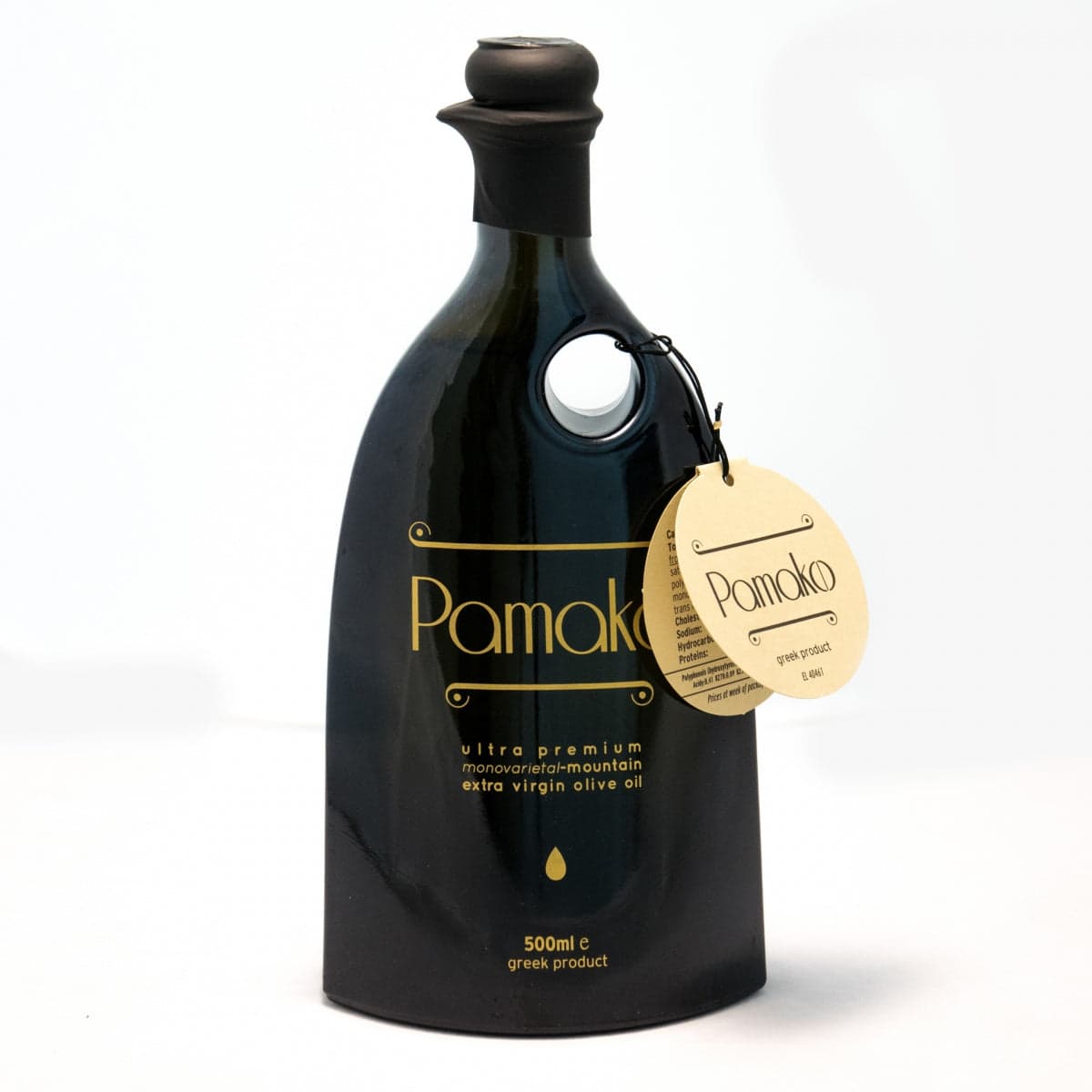
Pamako
€54.95· 500ml
€1.65 per 15ml serving
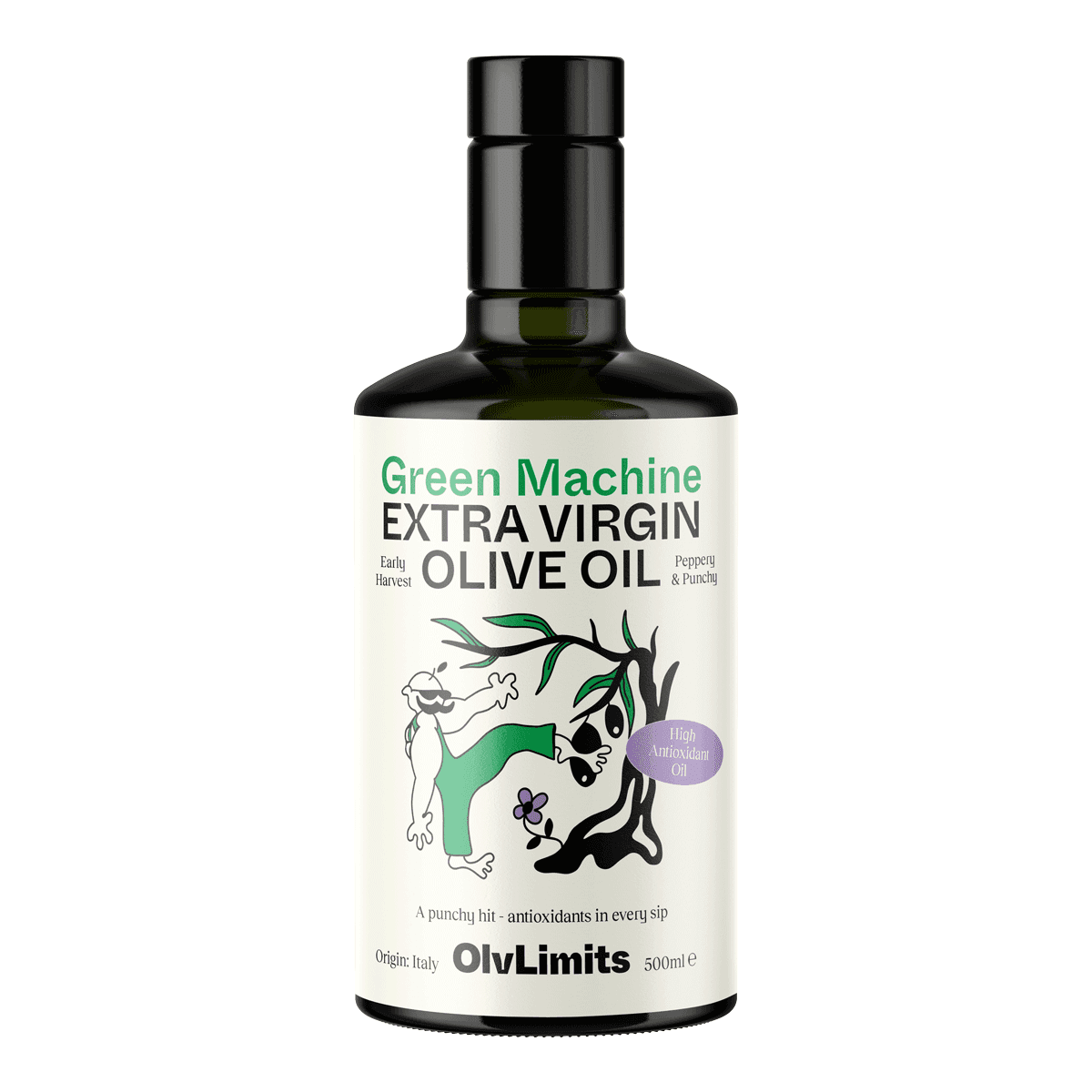
Green Machine
OlvLimits
€23.00· 500ml
€0.69 per 15ml serving
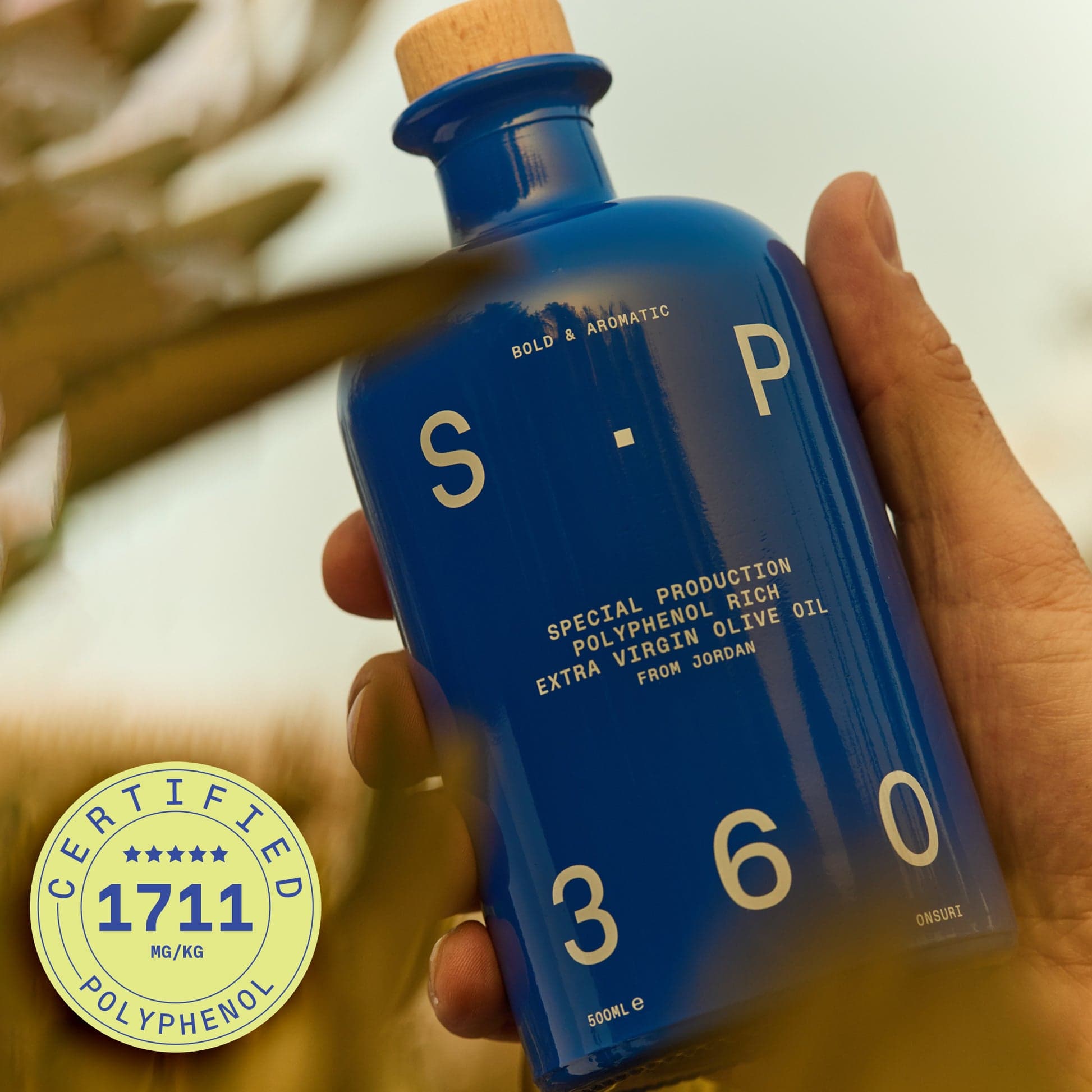
SP360
£42.00· 500ml
£1.26 per 15ml serving
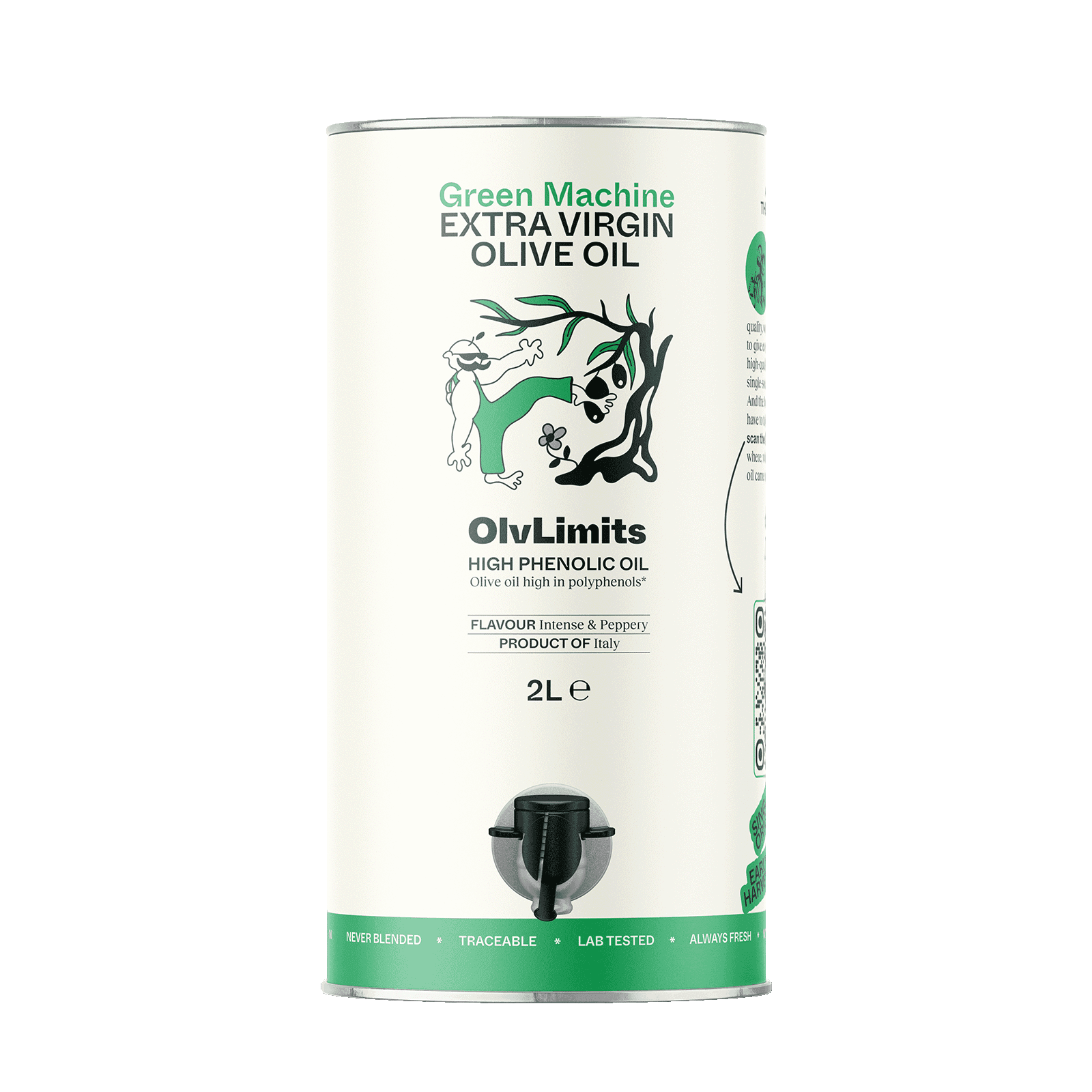
Green Machine 2L bag-in-tube
OlvLimits
€80.00· 2L(≈€20.00/500 ml)
€0.60 per 15ml serving